Why Are My Indoor Plants Dying? Top Reasons & Fixes
Why Are My Indoor Plants Dying?
‘Why Are My Indoor Plants Dying?’ If yours are actually thriving, you already know there’s something magical about having a bit of green inside your house. A plant on your desk turns a boring WFH setup into something that actually feels alive. Plants are the one thing in your home that breathe, grow, and change with you.
So when that same plant starts to grow sick or dying, it doesn’t just feel like a gardening fail. It feels personal. You lose that one element of nature in your home. If you’ve been Googling “why are my indoor plants dying” at 1 am with a half-dead pothos next to you, don’t worry, you’re not alone, and your plant probably isn’t a lost cause either.
If you are still stressing over what’s happening wrong with your plant, seek a plant expert’s advice. These experts are experienced plant lovers who love to treat plants. Or you can continue to read ahead about what the possible causes are of why your indoor plants are dying.
Let’s break down exactly why your indoor plants are dying, one common culprit at a time.
1. Overwatering: The Silent Killer
This is, hands down, the number one reason behind an indoor plants dying crisis in Indian homes. We love our plants so much that we drown them in love (and water).
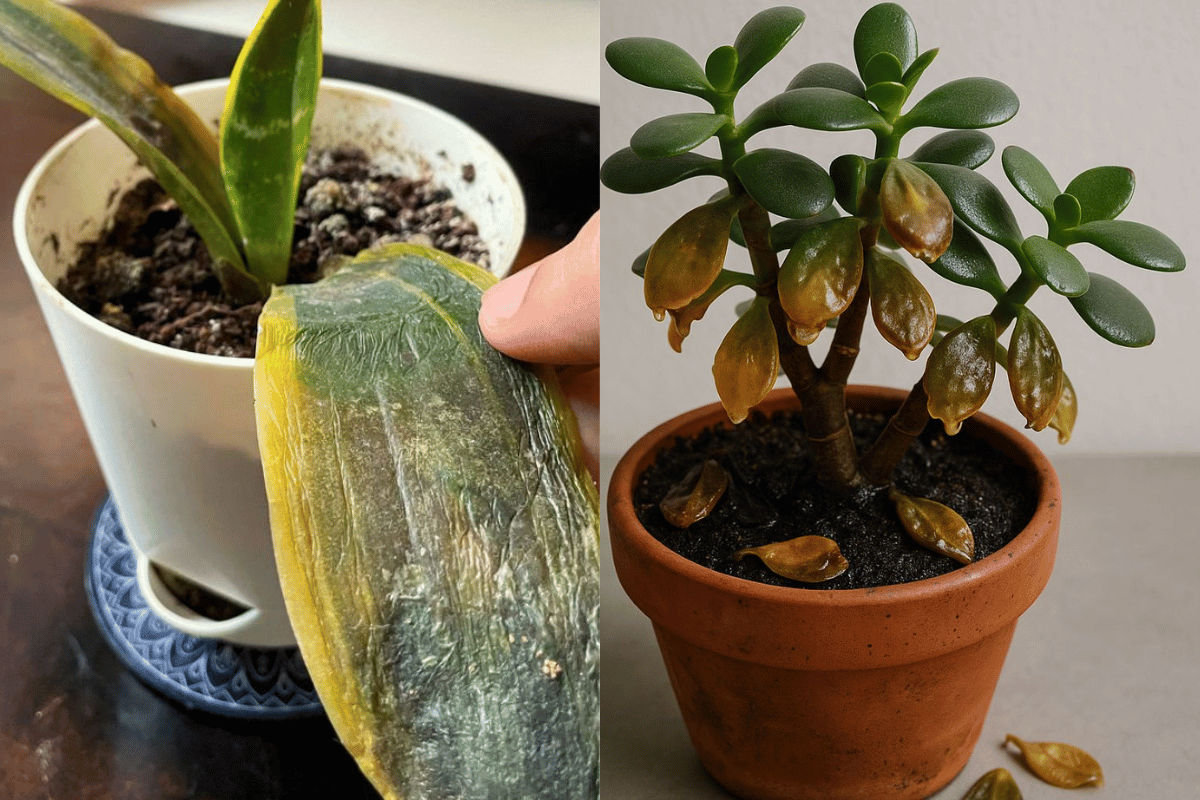
- Roots need to breathe. Constantly soggy soil suffocates them and starts root rot.
- Yellow, mushy leaves that drop off easily? That’s overwatering, not underwatering.
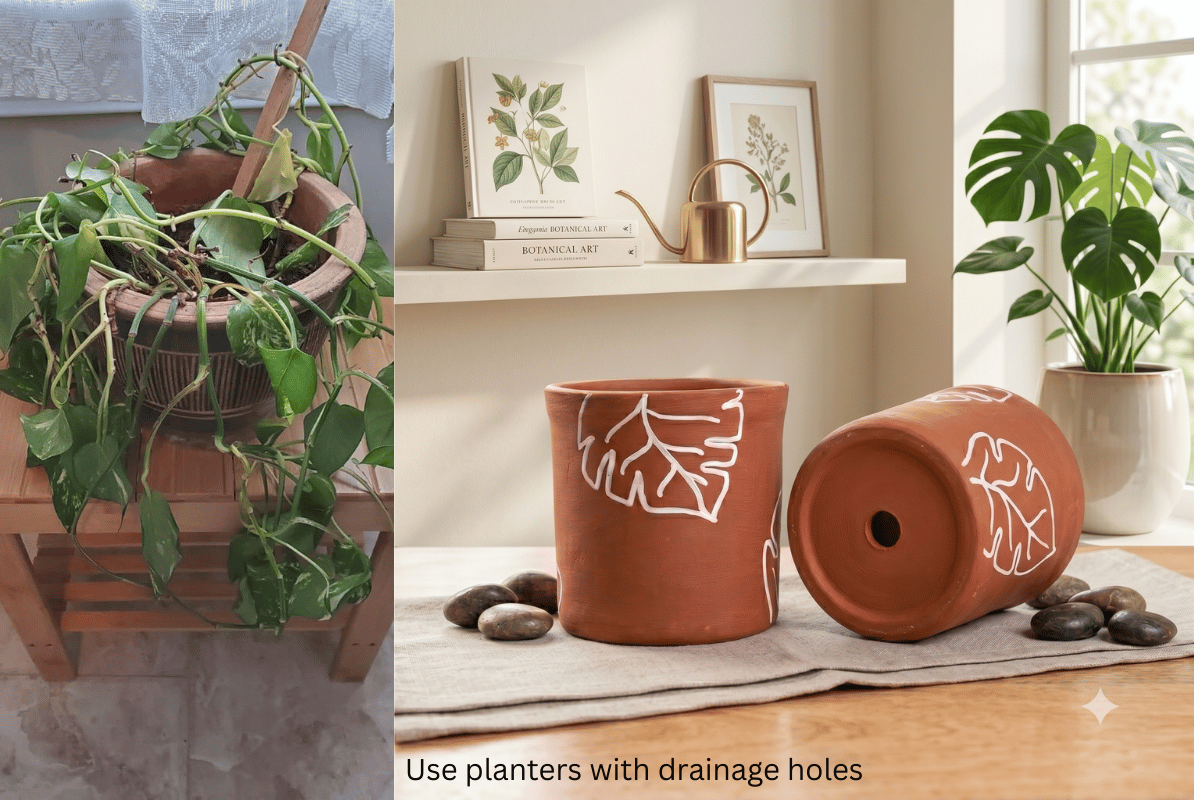
- Pots without drainage holes are usually the real villain here, not your watering can.
Fix it: Stick a finger 2 inches into the soil, or if the topsoil is still moist. Skip watering for a day or two.
2. Underwatering: The Other Extreme
On the flip side, forgetting your plant exists for three weeks straight is not good either.
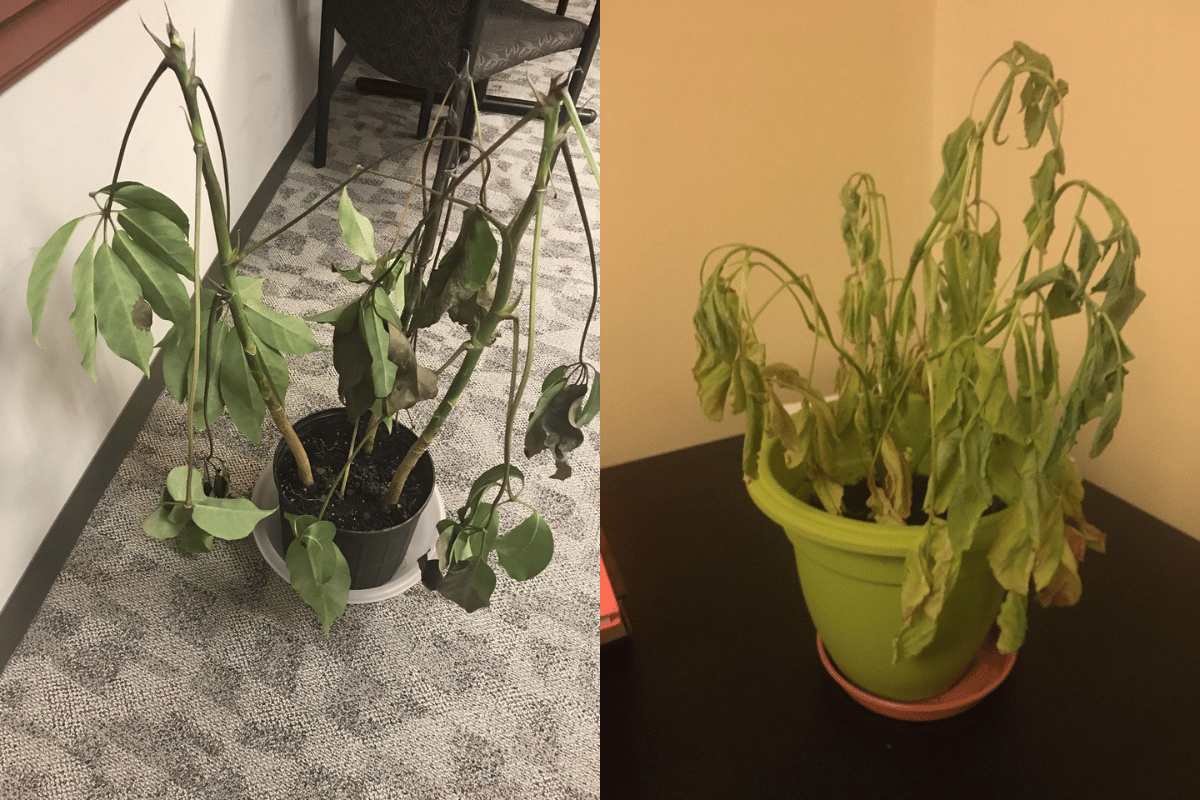
- Crispy, brown leaf edges and a pot that feels feather-light are classic underwatering signs.
- Indian summers dry out the soil fast, especially for plants kept near windows or on terraces.
- Inconsistent watering (drowning it, then ignoring it) stresses plants more than a steady, light routine.
- Fix it: Water when the topsoil is dry according to your climate and the amount of sunlight given.
3. Inadequate Light:
Light is food for your plant, and one of the most overlooked reasons why my indoor plants are dying searches exist in the first place.
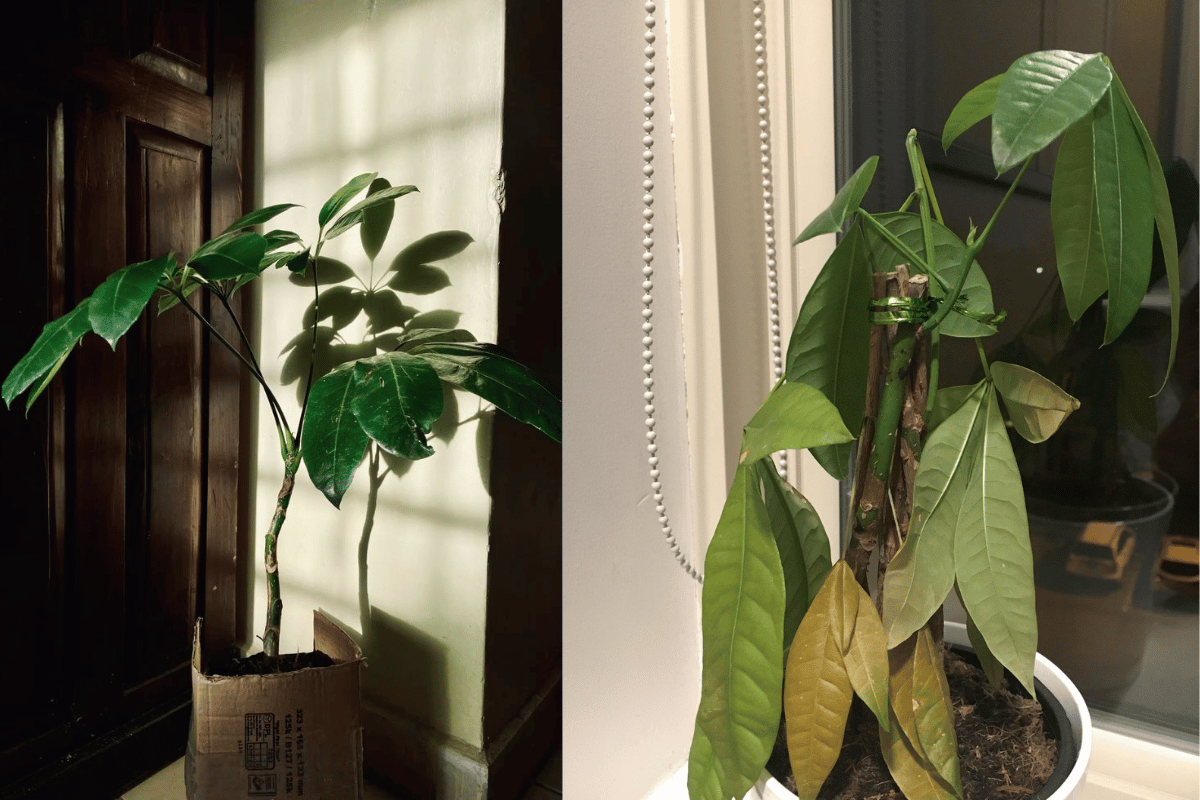
- Low-light plants like ZZ or snake plant kept in a dim corner will just survive, but a sun-loving Money Plant in the same spot will slowly fade.
- Leggy, stretched-out stems reaching toward a window? Your plant is desperately hunting for light.
- Too much direct, harsh afternoon sun (especially in April-May) can scorch leaves just as badly.
Fix it: Match the plant to the spot, not the other way around. Rotate pots every few days for even growth. Trial and error will make you a better plant parent.
If you are still unsure which step is right, ask a plant expert on the Plantohlics app.
4. Wrong Soil
Using regular garden mitti straight from outside your building will literally suffocate your indoor plants.
- Indoor plants need well-draining, aerated soil, not the dense, clay-heavy soil common red soil found outdoors.
- Compacted soil holds too much water and starves roots of oxygen.
- Different plants (succulents vs. ferns vs. tropical foliage) need different soil mixes entirely.
Fix it: Use a mix suited to your specific plant, cocopeat, perlite, and compost in equal parts, which work well for most Indian homes.
5. Not Enough Nutrients
Plants in pots can’t forage for food as they would in open ground, so they rely entirely on you.
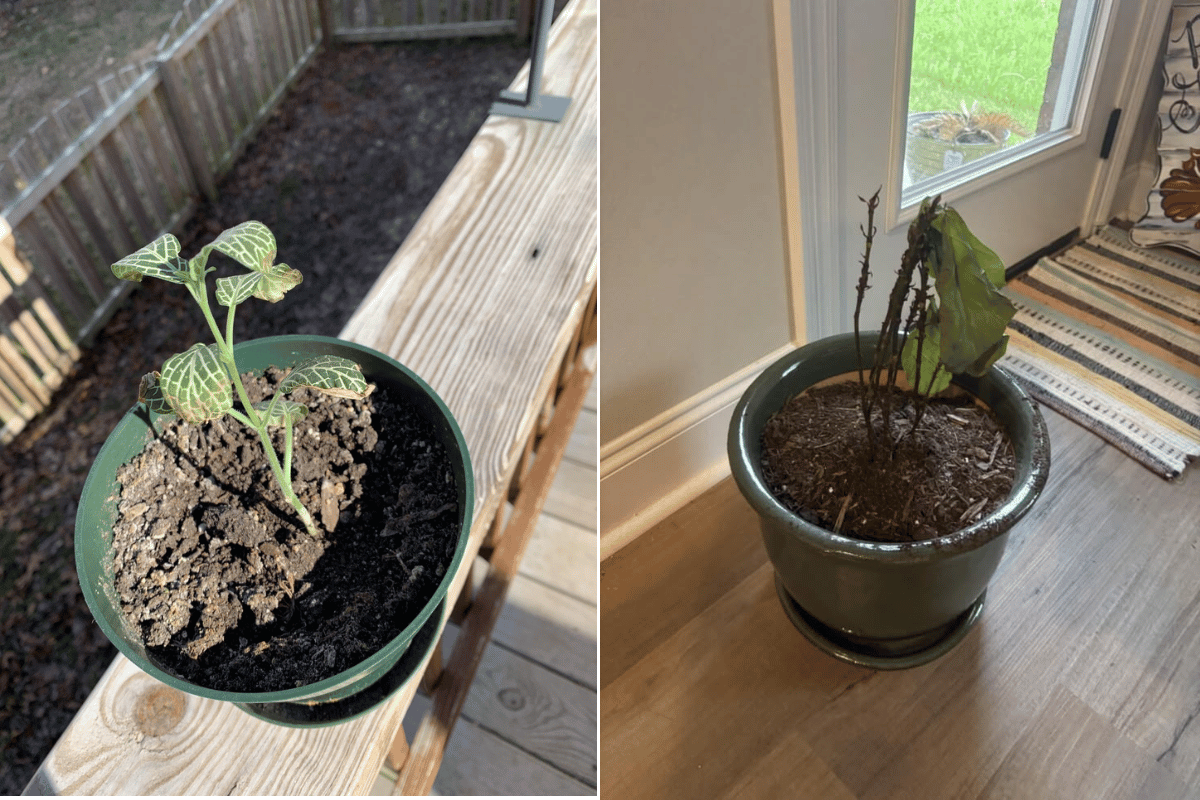
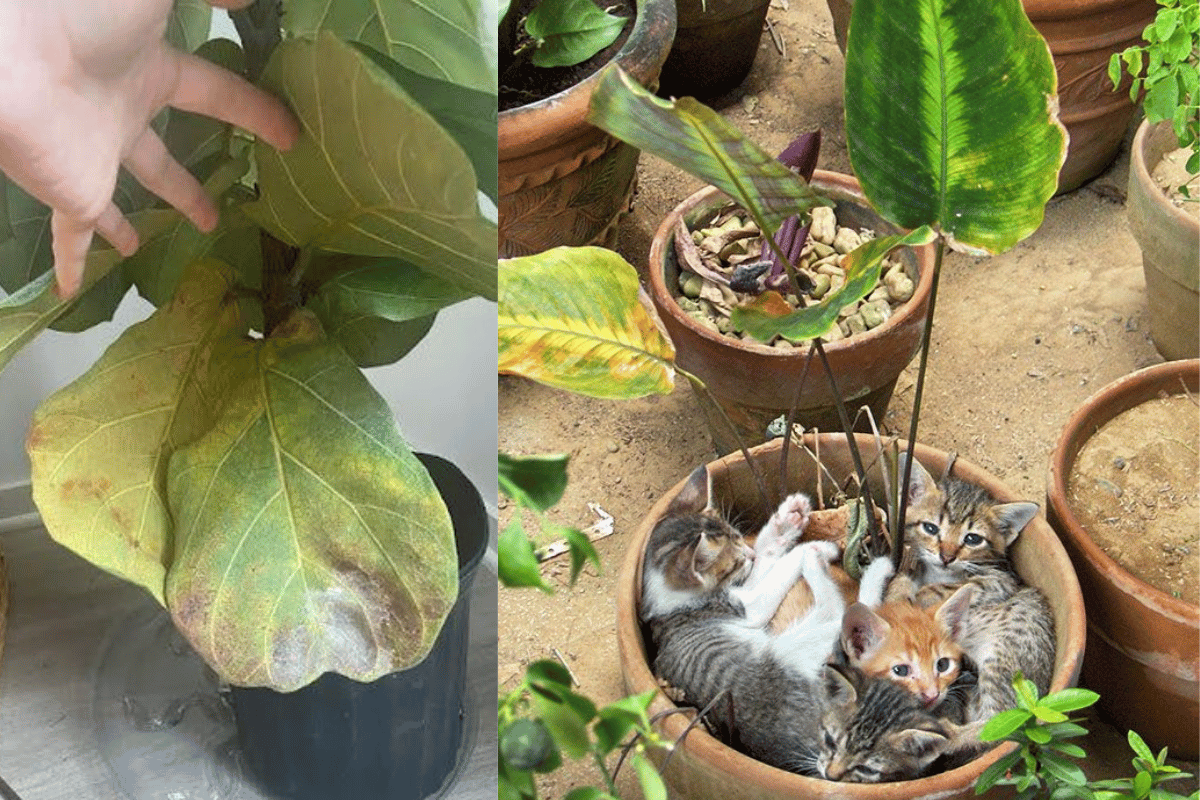
- Pale, weak, slow-growing leaves usually point to nutrient deficiency.
- Soil nutrients get used up over months, especially in small pots.
- Skipping fertiliser is one of the most common reasons for indoor plants dying slowly rather than suddenly.
Fix it: Feed with a diluted liquid fertiliser or compost every 2 weeks during the growing season.
A handful of compost to be sprinkled around the plants, excluding the roots, or 2ml liquid fertiliser per litre of water.
6. Insect Attack
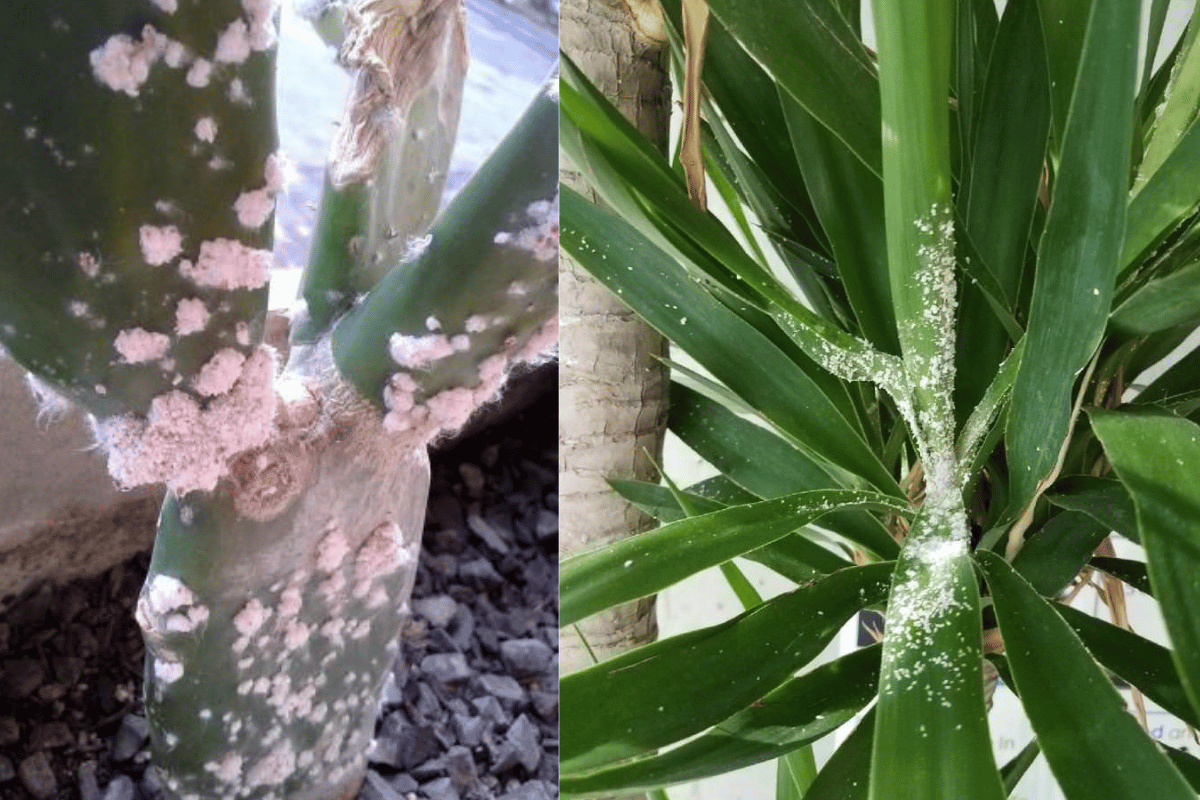
Nothing ruins a thriving plant collection faster than a mealybug or spider mite infestation quietly spreading from pot to pot.
- Sticky residue, tiny webs, or white cottony spots are red flags.
- Insects often hitch a ride on new plants brought home without a quarantine period.
- Left untreated, pests can turn a healthy indoor plants dying situation from “maybe” to “definitely” within weeks.
Fix it: Isolate new plants for a week before placing them near others, and wipe leaves down with neem oil solution regularly.
Use organic pesticides every 3-4 days and continue using till there are no signs of eggs or larvae present.
Also read, How to Get Rid of Spider Mites Naturally
7. Pets
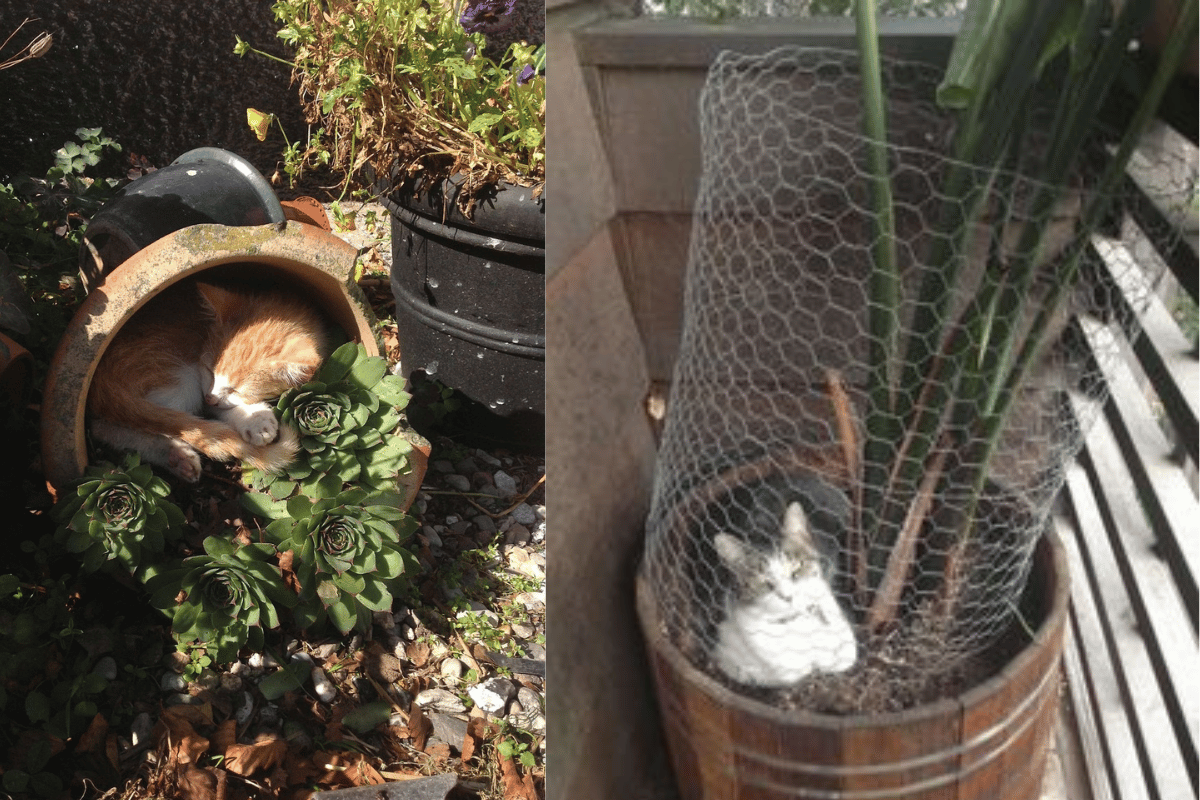
As much as we love our furballs, curious cats and dogs are a real reason why are my indoor plants dying keeps trending among Indian pet parents.
- Chewed leaves, knocked-over pots, and disturbed roots all set plants back significantly.
- Some common houseplants are also toxic if nibbled on, making this a two-way safety issue.
- Pets digging in soil disrupts root systems, even if they don’t eat the plant itself.
Fix it: Choose pet-safe plants and place delicate ones on higher shelves or in hanging planters, out of paw’s reach.
8. Wrong Planter
This one’s underrated, but it makes a genuine difference. A planter isn’t just about looks; it directly affects drainage, root space, and moisture retention.
- No drainage holes = trapped water = root rot, every single time.
- Too small a planter restricts root growth; too large a one holds excess moisture the roots don’t need.
- Material matters too; terracotta breathes and helps excess water evaporate, while glazed ceramic or plastic without holes traps it in.
If your planter has been the missing piece, browse Plantoholics planters collection for well-draining, plant-friendly options designed for Indian homes and climates.
FAQs
- Why are my indoor plants dying even though I water them regularly?
Regular watering doesn’t always mean correct watering. Overwatering is often the real problem, especially in planters without drainage holes. - How do you revive a dying indoor plant?
Cut off all the brown, yellowed and dead parts of the plant such as leaves and top stem. Then plant the green vile plant in soil and water it carefully. - What kills indoor plants?
Insufficient light, over and underwatering and wrong soil can kill plants. - Why are all my indoor plants suddenly dying?
There’s a very good chance of pest attack or lack of adequate light that lead to plants suddenly dying. - Do plants grow back after dying?
Yes, if you save the green parts of plant that has a node in the branch then the plants grow back after dying. - How do I know if it’s overwatering or underwatering?
Overwatered leaves turn yellow and feel mushy; underwatered leaves turn brown, crispy, and dry at the edges. - Can the wrong planter really cause indoor plants dying?
Yes. A planter without drainage holes traps water around the roots, leading to root rot even if your watering routine is perfect. - How often should I check my indoor plants for pests?
A quick leaf check every week is enough to catch mealybugs or spider mites before they spread.
An indoor plant’s dying situation is rarely one big mistake; it’s usually a small mismatch between water, light, soil, nutrients, and the pot itself. The good news? Every single one of these is fixable once you know what to look for.
Still unsure about why your plants are dying? Or not growing well? Try seeking an expert’s advice from plant parents who have 10+ years of experience growing plants.
Use the Plantohlics app today!
Ready to give your plants a proper home? Check out Plantohlics curated planters page and give your green friends the space they actually need to thrive.
Editor's Pick
- How to start a garden in India : 21.....
- Online Plants Near Me Bangalore..
- Why Are My Indoor Plants Dying? Top.....
- 11 Indoor Plants for Indian Homes With.....
- Start Gardening from Scratch..
- Foliage Plant Care: Gardening Expert.....
- Top 24 Summer Flowers in India and Care..
- Top 21 Winter Flowers in India..
- 10 Monsoon (rainy season) vegetables to.....
- Colourful Caladiums..
- Easy Ways to Make House Plant Leaves.....
- Easy to maintain Hanging plants..
- Practical Tips for Monsoon Gardening..
