Get rid of Mealy Bugs: 10 Practical Tips
Mealy Bug Infestation: How to Get Rid of Mealy Bugs Naturally
Mealybug infestation is one of the most frustrating things that can happen in the garden. Although controlling mealybugs can be challenging, several effective methods and natural predators can help you manage an infestation. You can also seek guidance from plant experts through the best plant app in India. There is nothing to panic about; however, this infestation can become serious because we need to understand the life cycle of Mealy Bugs and repeat treatments accordingly.
What Are Mealy Bugs?
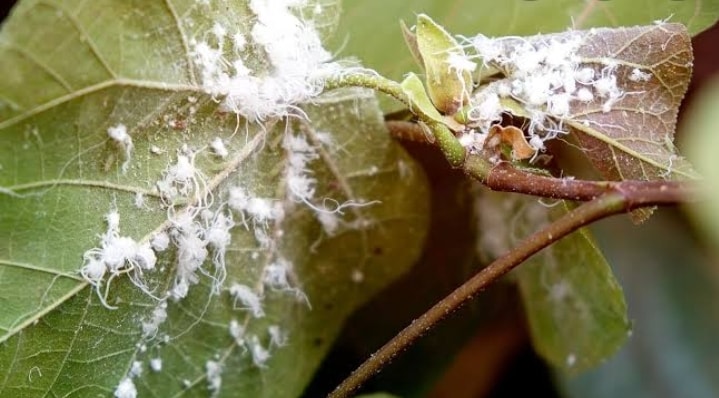
First, we need to identify what mealybugs are. Those powdery, cottony, white, soft-bodied insects are Mealy Bugs. These pests love to feed on plant sap and weaken plants over time. They often appear as a layer of white powder beneath leaves, on stems, and sometimes all over the affected plant. Hibiscus, Syngonium, and citrus plants are among the worst affected.
Take a deep breath and keep reading to learn exactly how to treat mealybugs on plants using gardening experts’ tips that really work.
If left unchecked, mealy bugs can become a real pain for your plants. They commonly cause wilting, yellowing, and stunted growth. Therefore, dealing with mealy bugs requires a proper game plan.
Why Trust Natural Ways to Get Rid of Mealy Bugs?
Natural solutions offer a sustainable and eco-friendly approach to combating mealybug infestations. Moreover, remedies derived from nature not only address the immediate issue of mealybugs but also contribute to the overall health and balance of the garden ecosystem.
Before applying the tips to remove Mealy Bugs from plants, check the severity of the infestation and identify the affected areas.
Spot the Early Signs of Mealy Bugs in Your Garden
Spotting mealy bugs early is crucial. Keep a close eye on your plants for signs of trouble, such as white, cottony clusters on stems and leaves. Additionally, watch out for wilting, yellowing, and unusual growth patterns.
However, these symptoms can sometimes resemble watering issues. Therefore, inspect the undersides of leaves and stems carefully to locate bugs that appear like a powdery substance.
First Step: Quarantine Infected Plants
If you find mealybugs on one of your plants, don’t hesitate—quarantine that plant immediately. Mealybugs spread quickly, and isolating the infected plant can prevent the infestation from taking over your entire garden.
1. Brush Off and Jet Spray Water
How much is too much? If you notice only a small infestation of Mealy Bugs, such as a few Syngonium leaves covered with cottony white patches, gently brush them off with a toothbrush and use a jet spray of water to wash them away.
This method is one of the easiest and safest options when the infestation is limited. However, if the attack is severe, you may need additional treatments to remove Mealy Bugs permanently from your garden.
2. Neem Oil Magic
Neem oil is extracted from the seeds of the neem tree. It works by disrupting the feeding and reproductive cycle of mealybugs, ultimately leading to their demise.
Mix 1 tablespoon of neem oil in 3 litres of water and apply it to a small area of your plants using a foliar spray bottle. Wait for 24 hours to observe any adverse effects. If no harm is observed, generously spray both indoor and outdoor plants while targeting the leaves directly.
Additionally, you can add a few drops of liquid dish soap to emulsify the neem oil and improve its effectiveness.
As a preventive measure, apply neem oil every two weeks to avoid future infestations. Neem oil interferes with mealybugs’ feeding and reproduction, making it an effective natural solution.
3. Soap Water
Prepare a mild soapy solution in water and spray it on the affected areas repeatedly over several days until the infestation disappears.
The soap suffocates mealybugs by creating a film that disrupts their breathing. Afterwards, rinse your plant thoroughly with clean water to remove both the soap residue and dead insects.
For best results, repeat this process every few days until the mealybugs are completely gone.
4. Vinegar
Mix one part vinegar (sirka) with three parts water and store the solution in a spray bottle. Spray it directly on the affected areas where Mealy Bugs are present.
However, use vinegar carefully. While it may help on certain plants, it can also harm many plant species if applied excessively.
5. Pruning
Mealy bugs love hiding in plant crevices. Therefore, prune away heavily infested areas to remove both the insects and their eggs. Afterwards, discard the pruned material far away from your garden to prevent reinfestation.
However, pruning may not be practical during severe infestations involving multiple plants, as removing large portions of plants can cause further stress.
6. Alcohol Treatment
A cotton swab dipped in rubbing alcohol can effectively remove individual mealybugs. However, avoid excessive use because too much alcohol may damage plant tissues.
For small infestations on indoor plants, prepare a solution containing 70% or less isopropyl alcohol mixed with water. Apply it directly to the mealybugs using a cotton swab.
Before treating the entire plant, test the solution on a small area and wait for 1–2 days to ensure it does not cause leaf burn or phytotoxicity.
7. Insecticide
Use an insecticide if the infestation is severe or the number of mealybugs is too high. However, we do not recommend any insecticide if the label does not clearly explain the process and dosage.
Before purchasing any product, carefully check the label. Not all products are safe for plants. Read the directions for use thoroughly. If the product does not mention proper instructions or lacks affiliations from relevant authorities, avoid purchasing it.
8. Hydrogen Peroxide
Unlike several alternatives, hydrogen peroxide is plant-friendly as long as it is properly diluted. Mix one part pure hydrogen peroxide (without additives) with four or five parts water and use it to water your plants’ soil. This method helps eliminate hidden mealybug eggs.
However, spraying this solution on adult mealybugs is not very effective. Therefore, it is best suited for dealing with eggs. For comprehensive results, combine this approach with other methods to tackle adult mealybugs as well.
9. Diatomaceous Earth
Diatomaceous earth is a natural powder that damages the exoskeleton of mealybugs when sprinkled on plants. As a result, the insects dehydrate and eventually die.
10. Making Plant Sap Non-Palatable
According to MrMraurav Saran, a group expert from our Gardening Community:
“We have made our plants’ sap non-palatable by supplying micronutrients to the plants. This way, plants naturally discourage these sap-sucking insects.”
Regular micronutrient supply can be achieved by preparing a natural decoction. To do this, keep older leaves of commonly available trees in water for at least 10 days—longer is even better—in a covered bucket with a tightly fitting lid. Afterwards, dilute the harvested decoction and give your plants a thorough spray or bath at regular intervals.
Prevention: Keep Plants Healthy
Healthy plants are less likely to invite mealybugs. Therefore, provide your plants with their basic requirements. There is nothing truly called an indoor plant; even indoors, plants need adequate sunlight, aeration, ventilation, and the right amount of water.
Additionally, proper spacing between plants helps reduce the chances of infestation by giving pests less room to spread and establish themselves.
Getting the upper hand on mealybugs means being proactive. With these 10 tips, you are well-equipped to keep your plants bug-free and thriving. So, stay alert and show those mealybugs they are not welcome in your garden. In return, your plants will reward you with lush, healthy, and pest-free growth.
FAQ
How do I get rid of mealybugs permanently?
Understanding the life cycle of mealybugs is essential. You need to repeat treatments such as soapy water sprays, neem oil applications, or insecticides according to label instructions. A single application usually does not work.
What is the best killer for mealybugs?
The answer depends on the severity of the infestation. Neem oil is a natural and effective method for managing mealybugs on plants. Traditional contact insecticides may struggle to penetrate the protective mealy coating of these pests. In contrast, systemic insecticides provide an alternative approach.
How quickly does neem oil work?
Neem oil is a natural way to get rid of mealybugs. Since these insects have a life cycle, repeated applications are necessary depending on the severity of the attack. Generally, apply neem oil once a week for up to two months until the infestation is fully controlled.
Remember, natural methods are safer for plants. However, if the attack is very severe, chemical insecticides may be required for immediate action. Always read labels carefully.
Can I spray neem oil every day?
You can, but there is usually no need. Although neem oil is beneficial for plants, always test it on a small area first and observe the plant’s response before spraying thoroughly.
What really kills mealybugs?
Mealybugs are sap-sucking insects that hide behind leaves and stems. They often form associations with ants for protection. Natural remedies such as soapy water and neem oil mixtures work well to get rid of mealybugs without harming plants.
However, if the infestation becomes severe and repeatedly damages plants, insecticides may be necessary.
What is the fastest way to get rid of mealybugs?
Gardening is not a hobby for impatient souls. It is a marathon, not a sprint. Nevertheless, if the infestation is severe and you need quick results, use insecticides with proper dilution as directed on the label.
Additionally, follow the recommended timing for application. If the product lacks a label or instructions, avoid using it. Keep in mind that insecticides may also kill beneficial insects.
Can turmeric remove mealybugs?
Turmeric has known antimicrobial and insecticidal properties. However, it may not be as effective as specialised insecticides or natural remedies specifically designed for mealybug control.
Curcumin, the active compound in turmeric, has shown insecticidal activity against certain pests. Still, honestly speaking, mealybugs are quite smart.
How do you stop mealybugs from spreading?
The best way is to prune infected parts and keep the pruned material away from other plants. Additionally, maintain plant health at all times and inspect plants regularly.
Leaves may curl, turn yellow, or appear pale, apart from showing the visible powdery coating of mealybugs. Therefore, use neem oil sprays and other preventive measures at regular intervals.
Before choosing any method to permanently remove Mealy Bugs, identify the severity of the infestation and the type of plants affected. If the infestation is widespread or persistent, a combination of methods may be necessary for effective control. You may also consider insecticides when needed; otherwise, proceed with the natural solutions discussed above.
