Bougainvillaea Plant Care
Bougainvillaea Plant Care:
The Drama Queen That Thrives on Tough Love
Let’s settle something right away: bougainvillaea is probably the most stubbornly cheerful plant you’ll ever grow. You’ll spot it bending over roadside walls, wrapping itself across compound gates, free cuttings on the Plantohlics app, and somehow looking spectacular while doing absolutely nothing to deserve your sympathy. No pampering, no fuss, just full-on colour. If there were a plant with main character energy, this would be it.
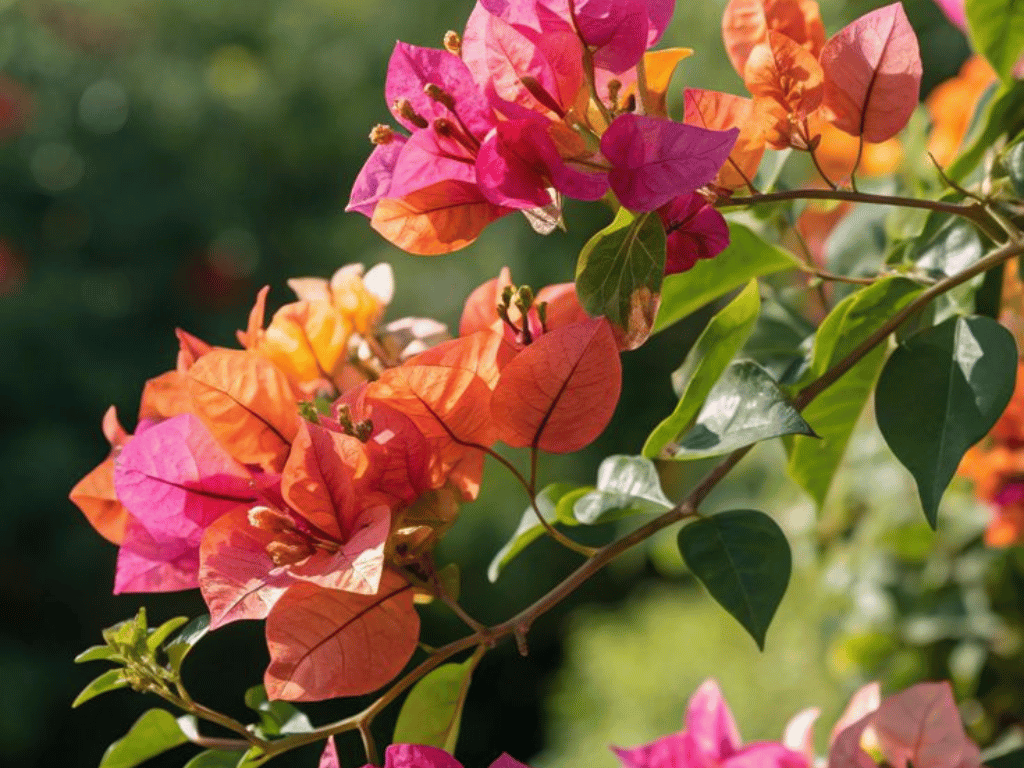
And yet, the irony? People still manage to kill it with kindness. Overwater it, baby it, keep it in a corner with “decent” light, and it’ll struggle for months without a single bloom. Master a few quirks of bougainvillaea plant care, though, and you’ll have a plant that rewards you with colour almost on demand. Let’s get into it.
Light: Give It Sun or Give It Nothing
Bougainvillaea isn’t the plant for your shady balcony corner. It wants full, harsh, no-excuses sunlight, ideally a full day of direct exposure, and at an absolute minimum 6 hours of strong sun. This isn’t a “morning sun is probably fine” situation. The more brutal the sunlight, the more spectacular the bracts (those papery, colourful, petal-like structures everyone mistakes for flowers).
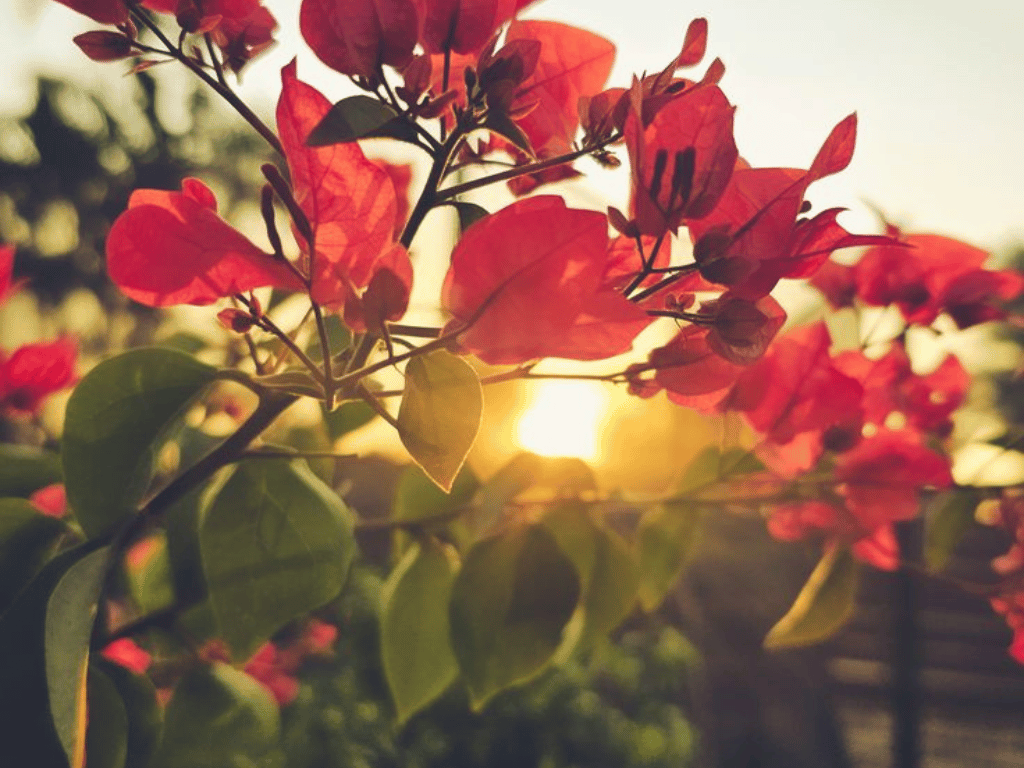
If your bougainvillaea is leafy but stubbornly flower-shy (non-flowering), low light is usually suspect number one before you blame anything else.
Soil and Potting:
Drainage Is Non-Negotiable. Bougainvillaea actively dislikes wet feet. A well-draining soil mix is essential, because waterlogged roots are basically a one-way ticket to root rot and a dying plant.
A reliable mix that growers swear by: roughly 60% murum (coarse, mineral-rich soil/gravel-like material) combined with 40% vermicompost, finished off with a balanced NPK 19-19 fertiliser and a dose of seaweed extract for good measure. The murum keeps things loose and draining, the vermicompost brings organic richness, and the seaweed extract adds trace minerals and a gentle growth boost without overwhelming the plant.
Watering: The Plant That Blooms on Neglect (Mostly)
Here’s where bougainvillaea gets a reputation for being moody, though it’s really just specific. The general rule is moderate watering, letting the soil dry out slightly between waterings. This plant has a genuinely fascinating fellow: it tends to bloom more generously when it experiences mild water stress, almost as if scarcity triggers its “time to show off” instinct.
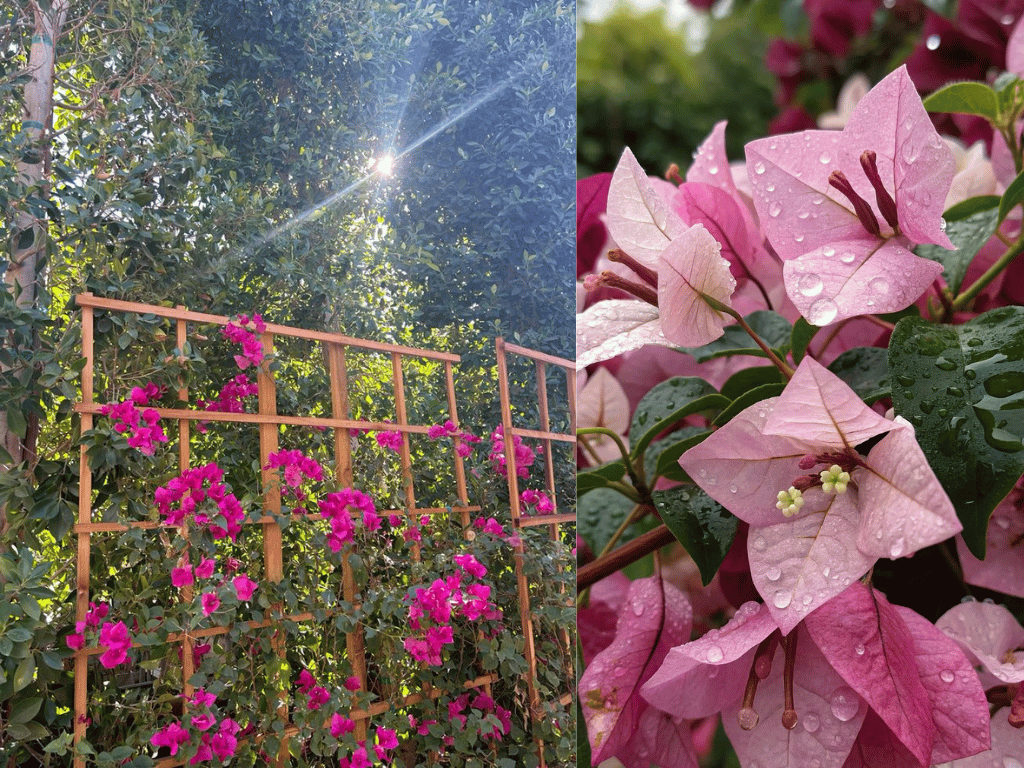
But don’t take that as permission to ignore it entirely. Two situations call for more consistent moisture: intense summer heat, when letting the soil dry out completely can stress the plant past its comfort zone, and active flowering, when water needs actually rise. So the trick isn’t “always dry” or “always moist,” it’s reading the season and growth stage. Slightly dry generally, never bone-dry in summer or while in bloom.
Fertilising: Match the Food to the Phase
This is where most home gardeners trip up, because bougainvillaea’s nutrient needs shift depending on what it’s doing.
Vegetative stage (building leaves and structure):
A few granules of urea alongside a balanced fertiliser covering both macronutrients and micronutrients works well here. Nitrogen helps the plant bulk up and establish strong vegetative growth before it’s ready to commit to blooming.
Flowering stage (the part you’re actually here for):
Switch things up with a rose mixture combined with DAP (diammonium phosphate), again alongside a balanced macro and micronutrient fertiliser. The shift toward phosphorus and potassium, and away from heavy nitrogen, is what nudges the plant into producing bracts instead of just leaves.
A golden rule worth tattooing onto your gardening gloves: too much nitrogen gives you a lush, leafy plant with disappointingly few flowers. If your bougainvillaea looks like a hedge instead of a fireworks display, dial back the nitrogen and lean into phosphorus.
A high-phosphorus feed every few weeks during the growing season works for most home setups, though honestly, bougainvillaea is forgiving enough that even minimal feeding still gets you decent blooms. It’s an overachiever that doesn’t need constant validation.
Pruning:
When and Why It Matters: Bougainvillaea blooms on new growth, which makes pruning less of a chore and more of a strategic move. Prune from time to time to maintain its shape, ideally after a flowering flush or in late winter to early spring before the next growth surge kicks in.
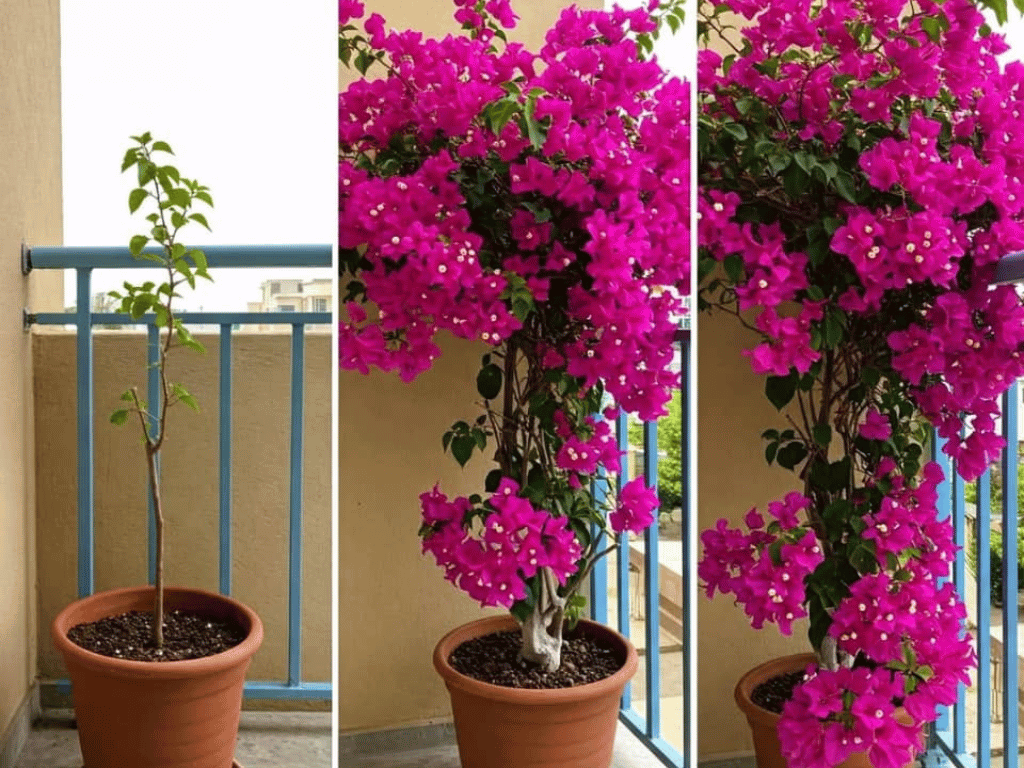
While you’re at it, cut back dead or weak branches, and trim overly long stems to encourage bushier, more floriferous growth. A plant left completely unpruned tends to turn into a tangled, leggy vine instead of the dense, colour-saturated shrub everyone’s picturing.
One practical note: bougainvillaea wood gets brittle and somewhat stiff with age, and most varieties come armed with thorns, so a good pair of gloves and sharp, clean shears are non-negotiable tools here.
The Fun Part: Multigraft and Multicolour Magic
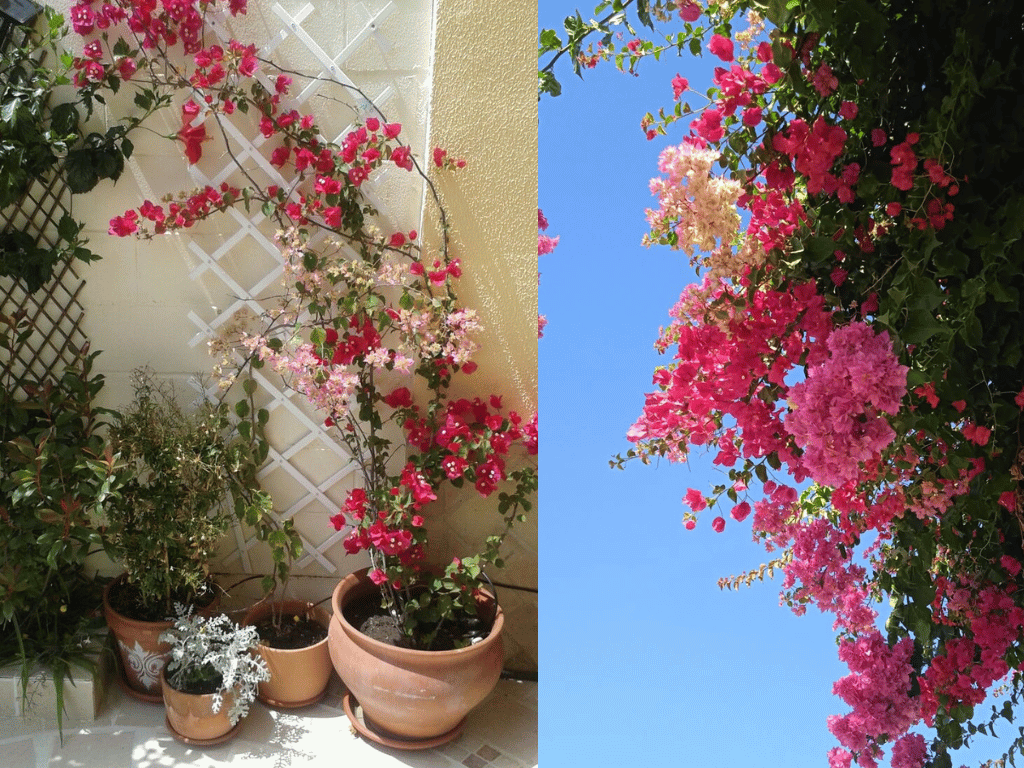
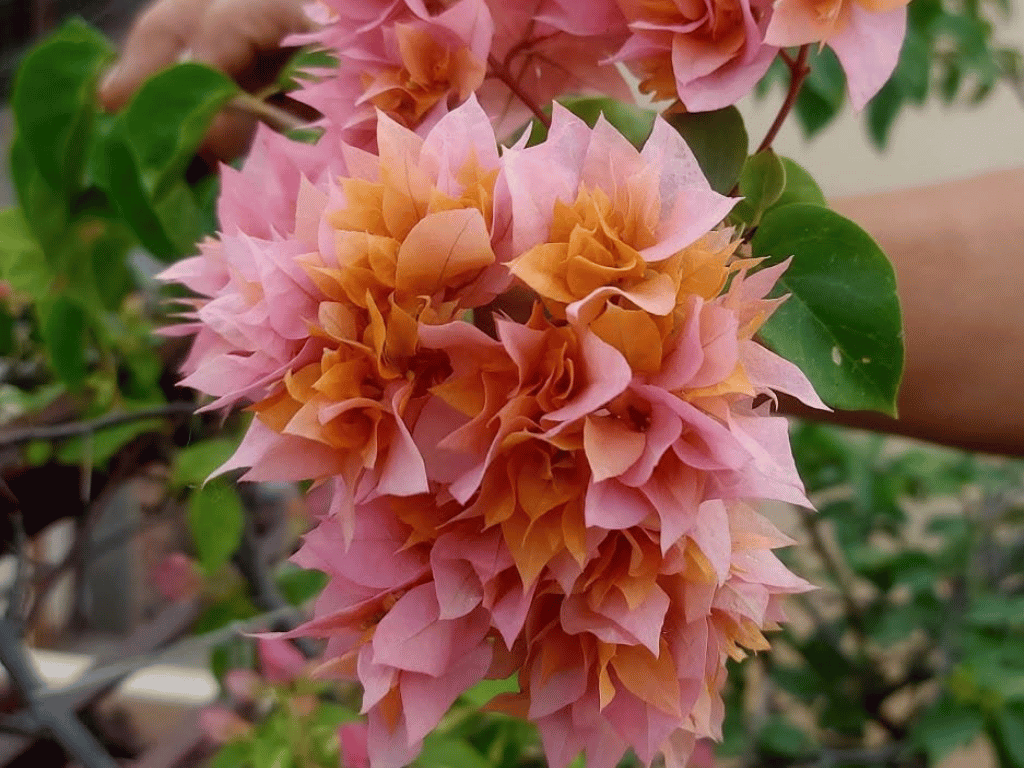
Here’s where bougainvillaea care turns into actual creative expression. If you’re growing more than one stem, consider letting different colored varieties grow together. When they bloom simultaneously, you get a single plant putting on a multi-tonal show, and a combination of two contrasting colours tends to look particularly striking.
Take that idea a step further with multigrafting, where different branches of a single plant are grafted to produce different colours. The visual payoff is dramatic: one trunk, multiple colours, zero monotony.
Thorny Issue: Hybrid vs. Wild Varieties
If you’re handling your bougainvillaea often, whether for pruning, training, or just general maintenance, variety choice matters more than people expect. Wild bougainvillaea varieties tend to come loaded with thorns, making routine handling genuinely tricky.
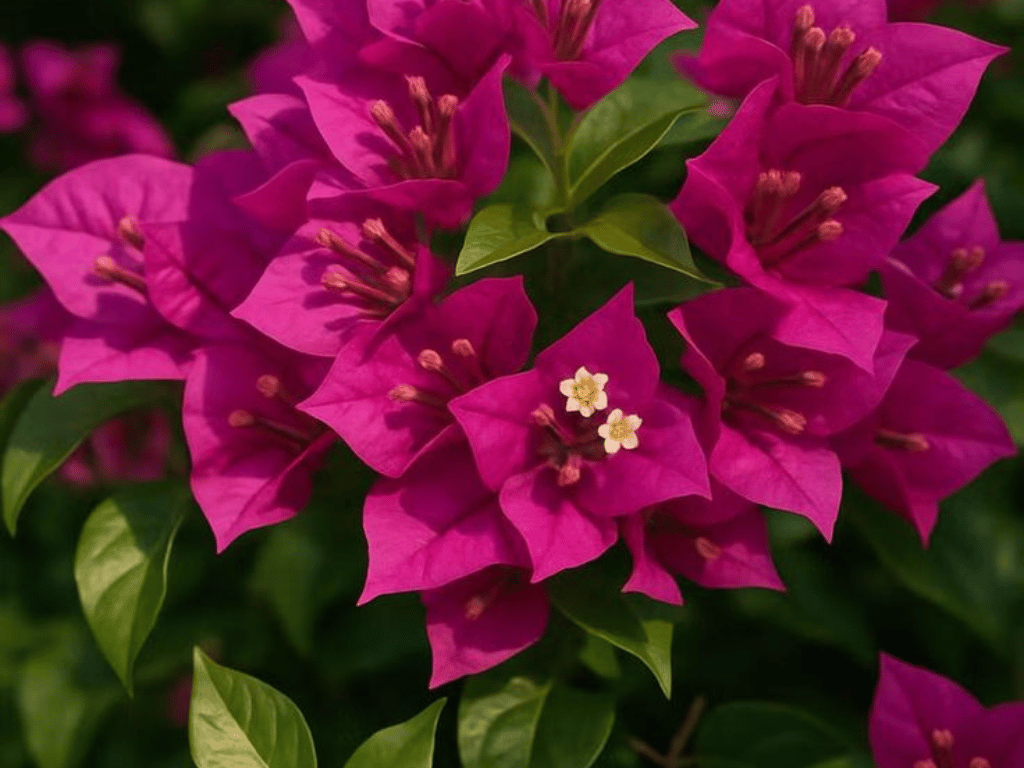
Hybrid varieties, on the other hand, are typically thornless or much less thorny, making them significantly easier to manage, especially if you’ve got pets, kids, or simply value your forearms. And here’s a nice bonus for budget-conscious growers: there’s rarely a need to splurge on an expensive variety, since even reasonably priced cultivars perform beautifully with the right care.
Bonus Round: Bougainvillaea Bonsai
If you’ve ever wanted to dip a toe into bonsai without years of patience, bougainvillaea is unusually forgiving. Its mame bonsai (a miniature bonsai style) comes together considerably faster than with most traditional bonsai species, thanks to its naturally fast growth and excellent tolerance for pruning. It’s essentially a shortcut into the bonsai world for impatient beginners.
Bringing It All Together:
Bougainvillaea plant care really boils down to a few core truths: maximum sun, well-draining soil, watering that respects the season and growth stage, fertiliser that shifts with the plant’s life cycle, and pruning that keeps it dense rather than straggly. Get those right, and this is genuinely one of the lowest-maintenance, highest-impact plants you can grow, whether in a garden bed, a balcony pot, or trained into a miniature bonsai tree.
If keeping track of watering schedules, fertilising stages, and seasonal shifts across multiple plants sounds like a lot to juggle in your head, that’s honestly the exact kind of thing an app like Plantohlics can quietly handle in the background, sending reminders before you even realise you’ve forgotten. Sometimes the easiest way to be a “natural” plant parent is to let a little tech double as your memory.
Now go forth, prune boldly, water moderately, and let your bougainvillaea do what it does best: bloom like it’s showing off, because honestly, it is.
